In recent years, many of us have begun placing sourdough alongside challah on our Shabbos tables. What started as a trend has quietly become a ritual: feeding a starter, watching bubbles form, waiting for the dough to rise on its own schedule. And it raises a deeper question: why does making sourdough feel so different from making challah and what does that difference teach us about our inner avodah as Jewish women?
Before anything else, let’s be clear:
- Sourdough is full halachic bread.
- You make hamotzi on it.
- You take challah from it.
The distinction isn’t halachic. It’s experiential. And that experiential contrast aligns beautifully with categories Chassidus speaks about.
🌾 Challah: The Avodah of Effort and Intention
Challah is the bread the Torah explicitly commands us to elevate through the mitzvah of hafrashas challah. It represents the human task of refining the physical world, taking coarse ingredients and transforming them into something offered to Hashem.
Chassidus calls this isarusa d’letata, the awakening that begins from below.
It’s the avodah of:
- Intention
- Effort
- Structure
- Hands‑on transformation
Kneading challah is active. You shape it. You impose form. You bring order. You participate directly in the refinement of the physical—exactly the kind of avodah described in Tanya and countless maamarim.
It’s the same energy you draw on when you parent with boundaries, run a home with intention, or build something with clarity and responsibility.
🍞 Sourdough: The Avodah of Allowing and Trust
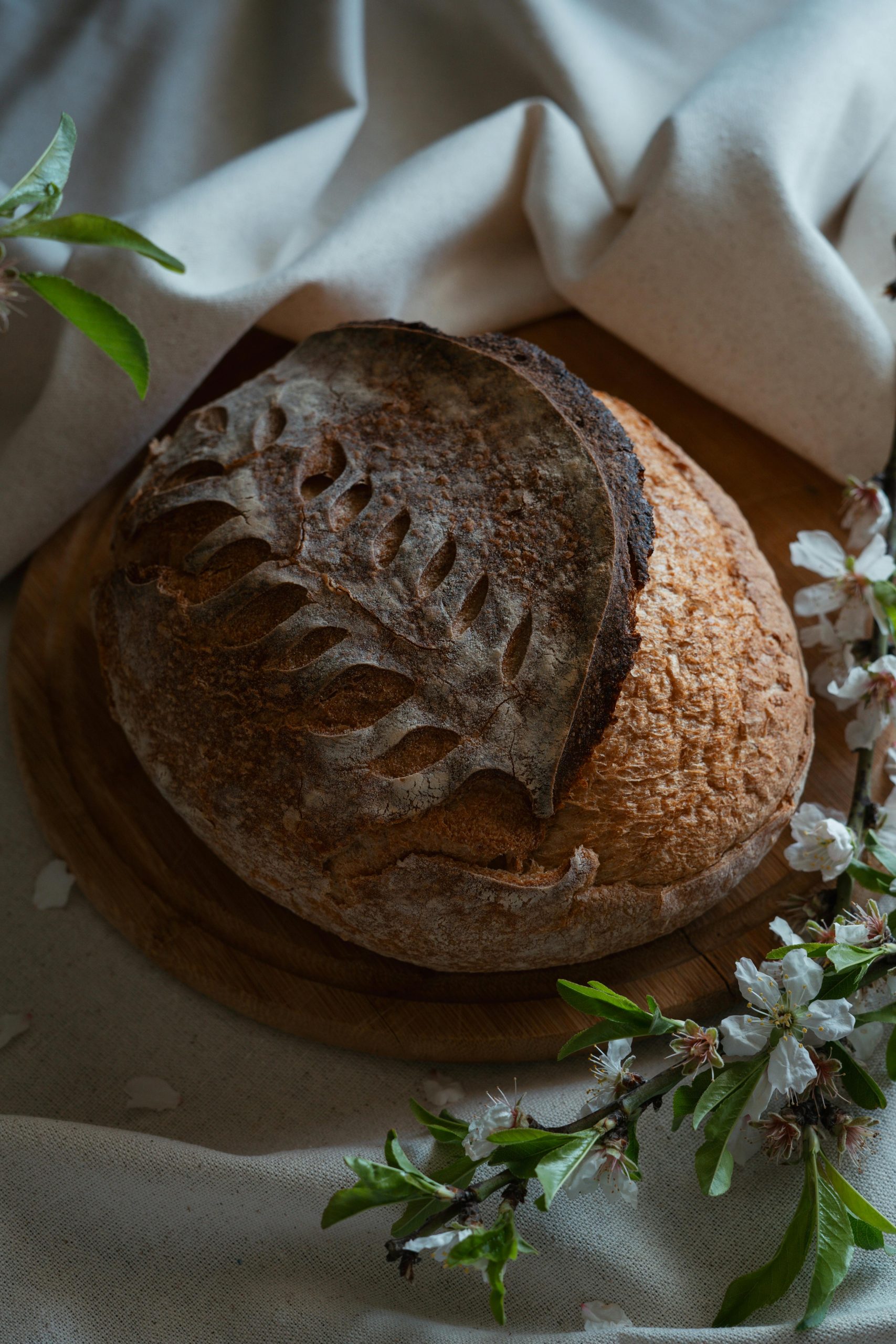
Sourdough is also halachic bread in every sense. You take challah from it. You make hamotzi on it. It belongs on a Shabbos table.
But the experience of making it is entirely different.
Sourdough is alive.
You don’t force it. You don’t rush it. You don’t knead it into submission. You accompany it.
This parallels isarusa d’le’eila, the awakening from Above—an unfolding that happens not because you push, but because you create space for something deeper to emerge.
Sourdough invites:
- Patience
- Receptivity
- Trust
- Sensitivity to subtle signs of life
It mirrors the avodah of bitachon: trusting the G‑dly vitality inside the dough, inside the world, inside your children, inside yourself.
This isn’t a halachic category. It’s a metaphor for an inner posture Chassidus describes extensively.
🕊 Two Modes of Avodah
Chassidus never says “this bread equals this consciousness.” What it does say is that the soul moves between two modes:
- Effort
- Allowing
Challah resembles the first. Sourdough resembles the second.
Not because of halacha, but because of the lived experience of making them.
- Challah reflects the avodah of shaping and refining.
- Sourdough reflects the avodah of allowing and witnessing.
Both are holy. Both are necessary. Both are feminine forms of creation.
🌙 What Rises in Your Kitchen Rises in You
When you look at both doughs side by side, something becomes clear: the Jewish woman’s avodah has always lived in the dance between shaping and allowing.
Some weeks you’re a challah‑maker: steady hands, clear intention, structure, effort.
Some weeks you’re a sourdough‑maker: patient, observant, trusting the quiet life inside the process.
Neither is higher. Neither is holier. Both are true expressions of the neshama.
Chassidus teaches that Hashem created the world with both movements—the human reaching upward and the divine rising from within. In our kitchens, in our parenting, and in our inner work, we move between them constantly.
So whether your Shabbos table holds braided challah, rustic sourdough, or both, the deeper question is the same:
What kind of avodah is rising in you this week? Where are you being asked to shape—and where are you being asked to make space?
That’s the real spiritual difference between challah and sourdough. Not the recipe. The consciousness.
And once you see it, you begin to notice it everywhere; in your dough, in your home, and in your life.